
Resources
Guides and checklists for credit teams.
Practical breakdowns of credit decisioning, risk monitoring, and collections, no gated forms, just the thinking behind how Thor is built.
 Guide
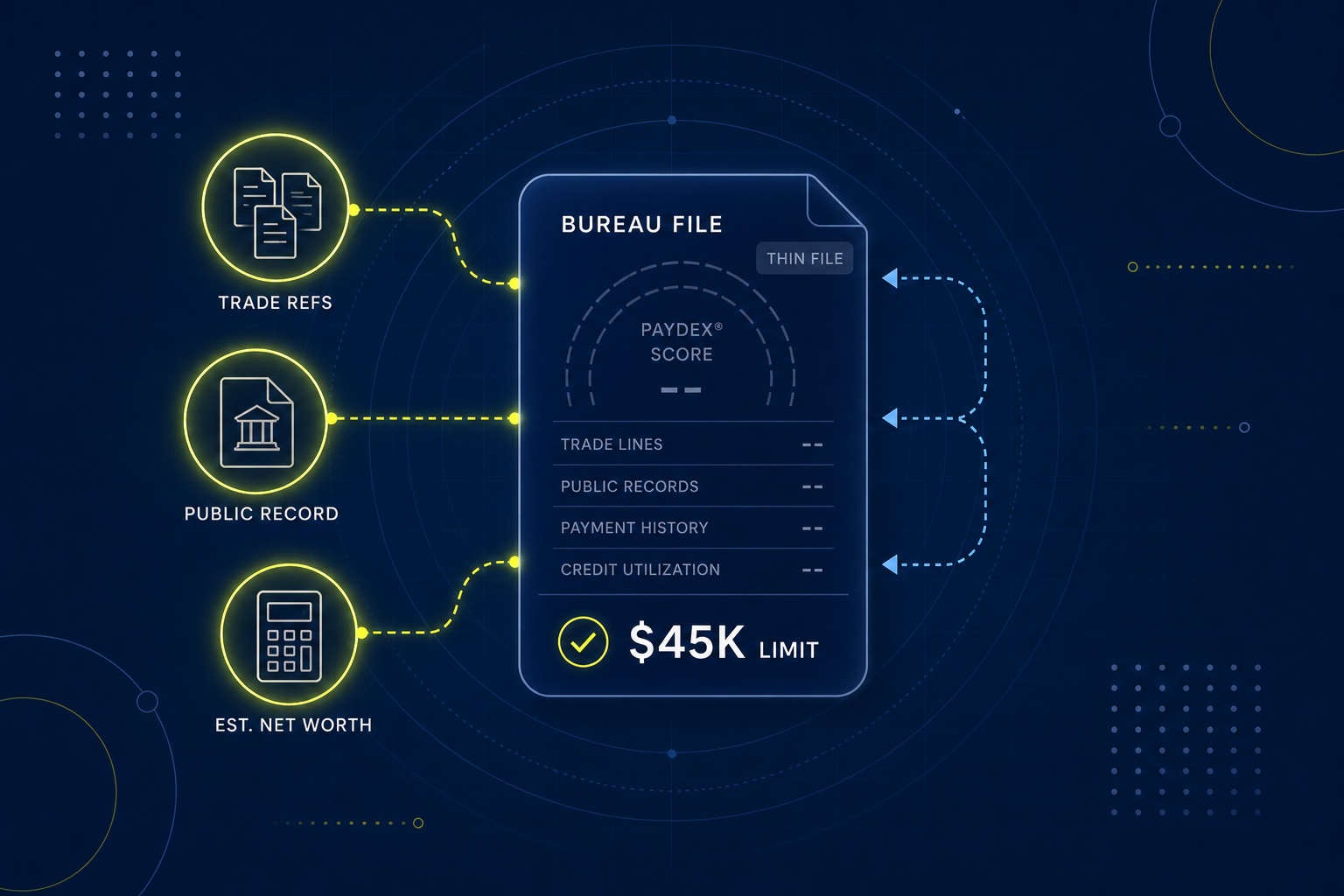
GuideWhat to Do If a Bureau File Is Thin
A thin or missing bureau file isn't a red flag on its own. Here's what to use instead of turning away good customers who just haven't crossed an arbitrary reporting threshold yet.
Read the guide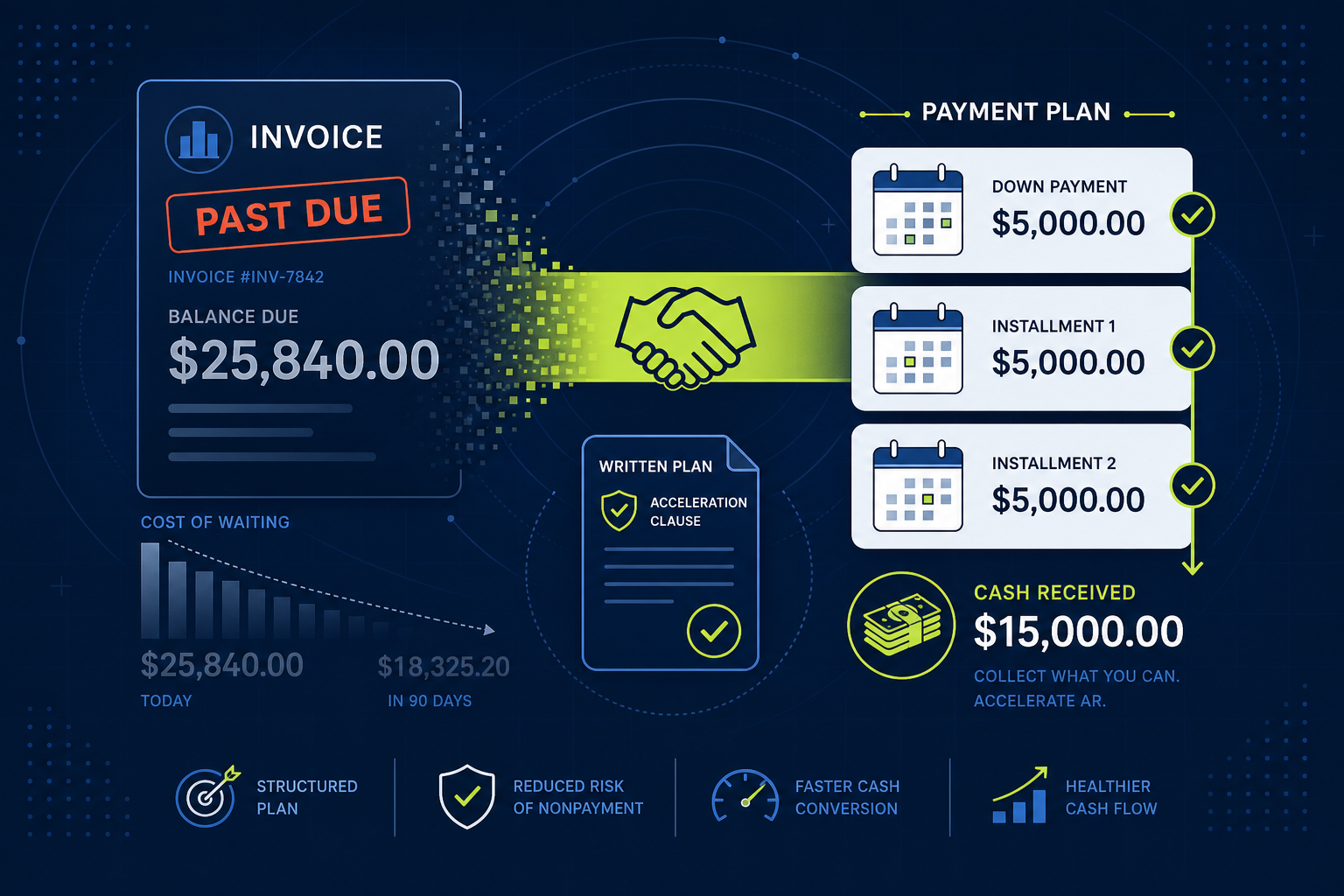 Guide
GuideCollect What You Can: How Payment Plans Accelerate AR and Strengthen Customer Relationships
Chasing a full balance from an account that can't pay it right now isn't collections. A structured payment plan is usually the better wager: less money today, but more of it, sooner.
Read the guide Guide
GuideHow Payment History Predicts Future Behavior
Past payment behavior predicting future behavior isn't a hunch. Most credit teams capture less of that signal than they think. Here's the three-level ladder from memory to real-time scoring.
Read the guide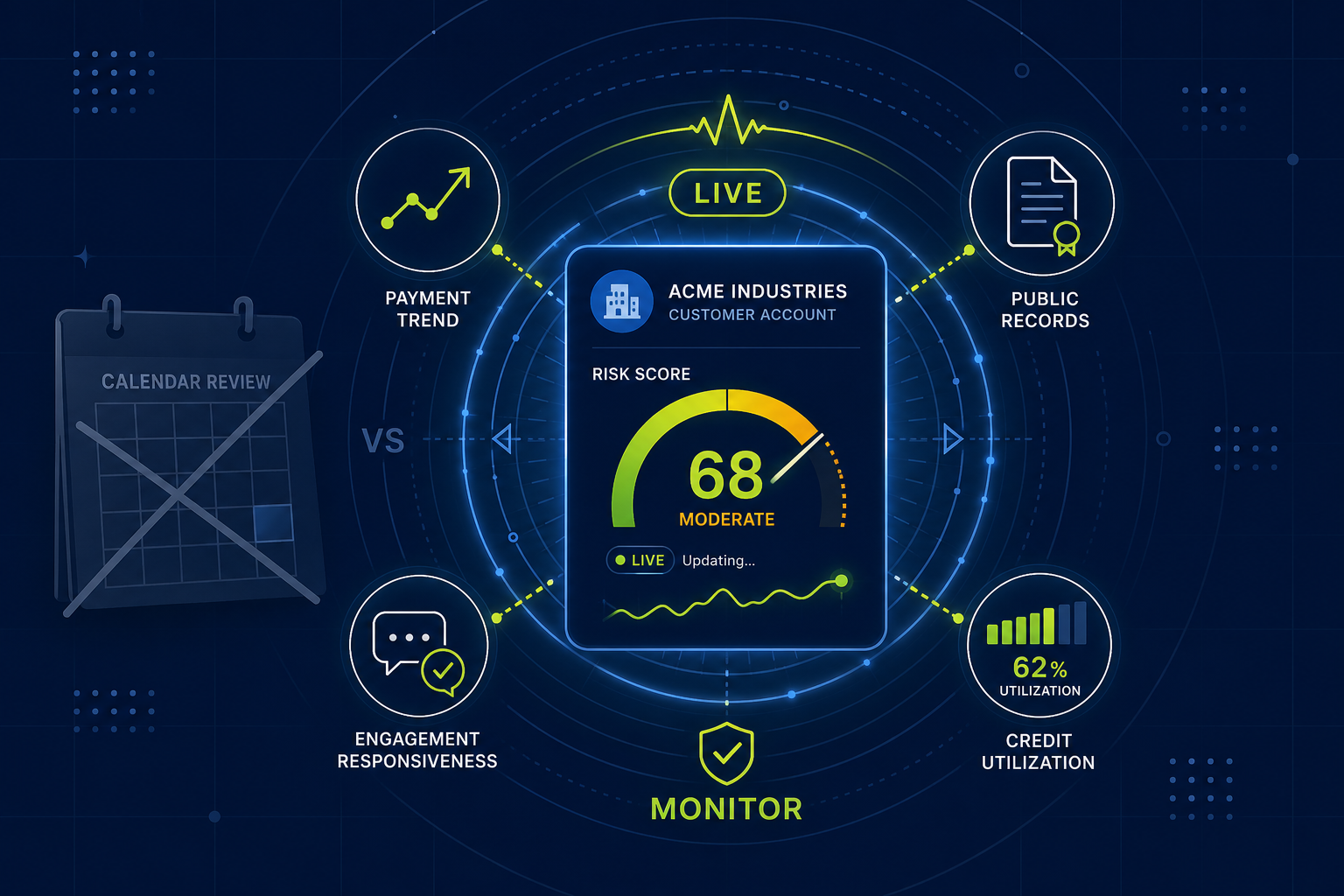 Guide
GuideWhy (and How) Should You Be Monitoring Your Customers for Risk?
Most credit decisions get made once. Only 12% of credit teams reassess limits when they actually receive a risk signal. Here's what continuous monitoring should watch, and why the calendar isn't enough.
Read the guide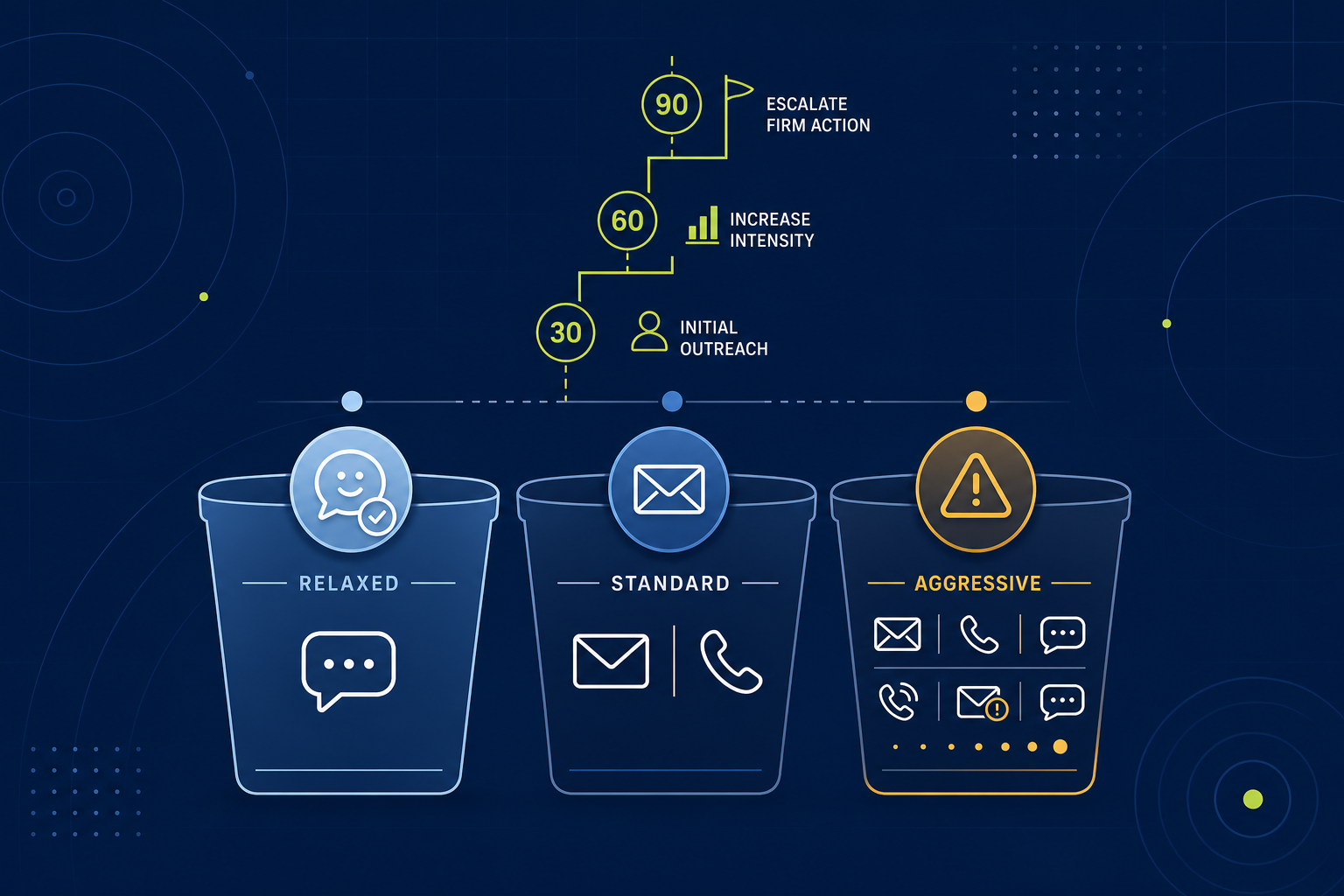 Guide
GuideHow to Design a Collection Strategy
Collections strategy is two decisions made in advance: which bucket an account goes into, and what happens if they still don't pay.
Read the guide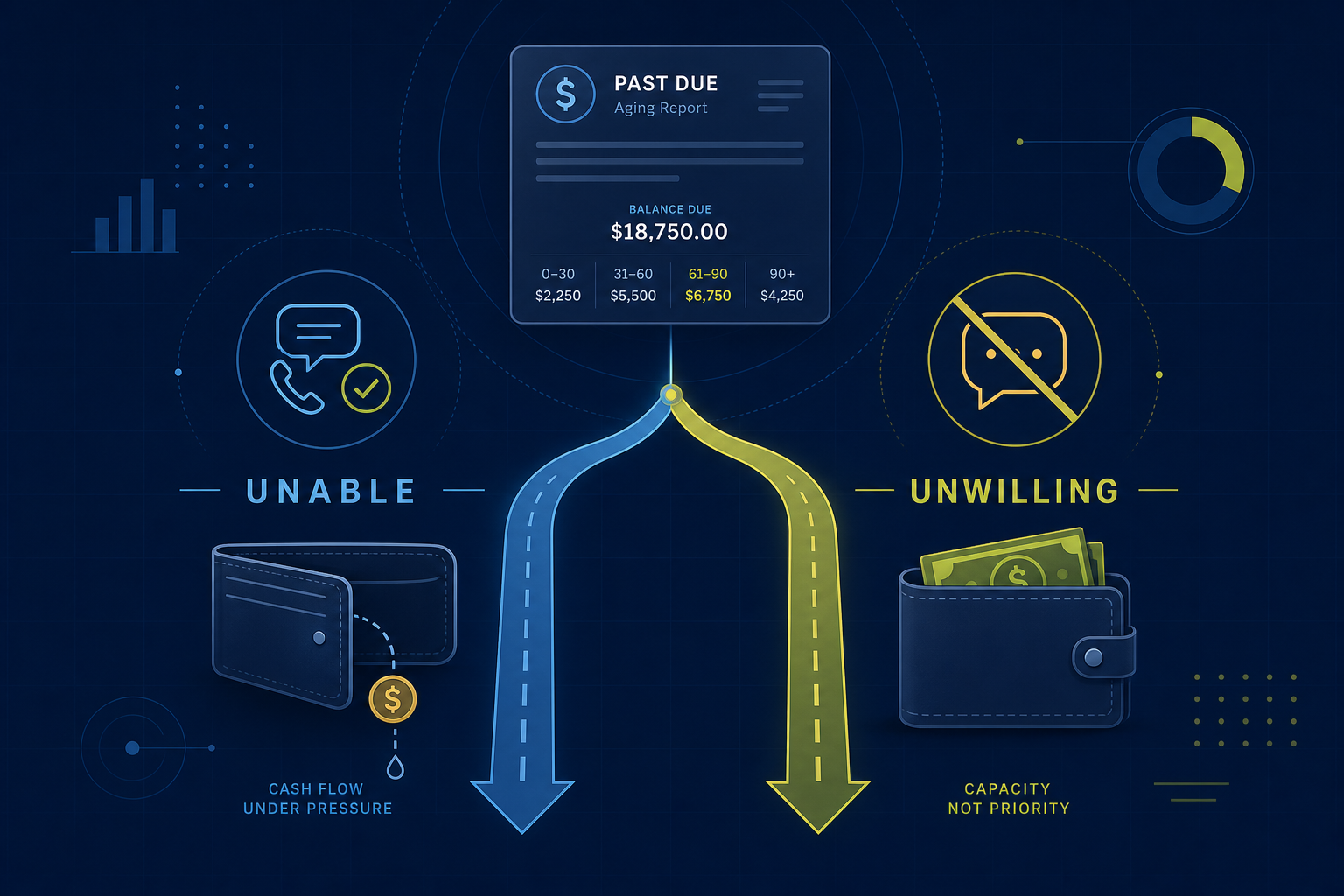 Guide
GuideUnwilling or Unable to Pay? Why the Difference Changes Everything
Two past-due accounts can look identical on your aging report. One can't pay right now. The other can, and just isn't. Treat them the same and you'll get the wrong outcome with both.
Read the guide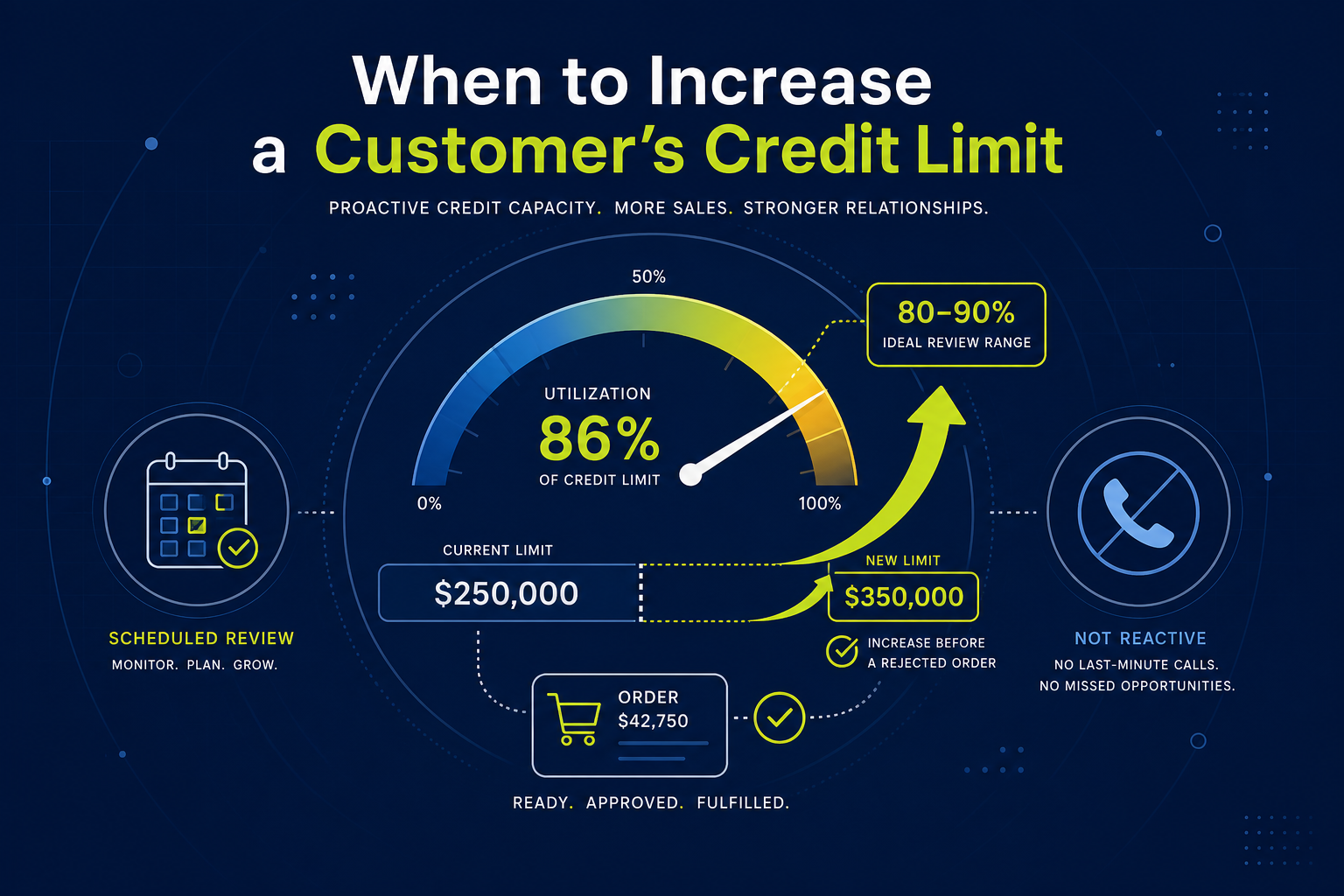 Guide
GuideWhen Should You Increase a Customer's Credit Limit?
The worst time to raise a credit limit is while a sales rep has the customer waiting. Watch utilization early, rerun the formula, and treat capacity as a sales tool.
Read the guide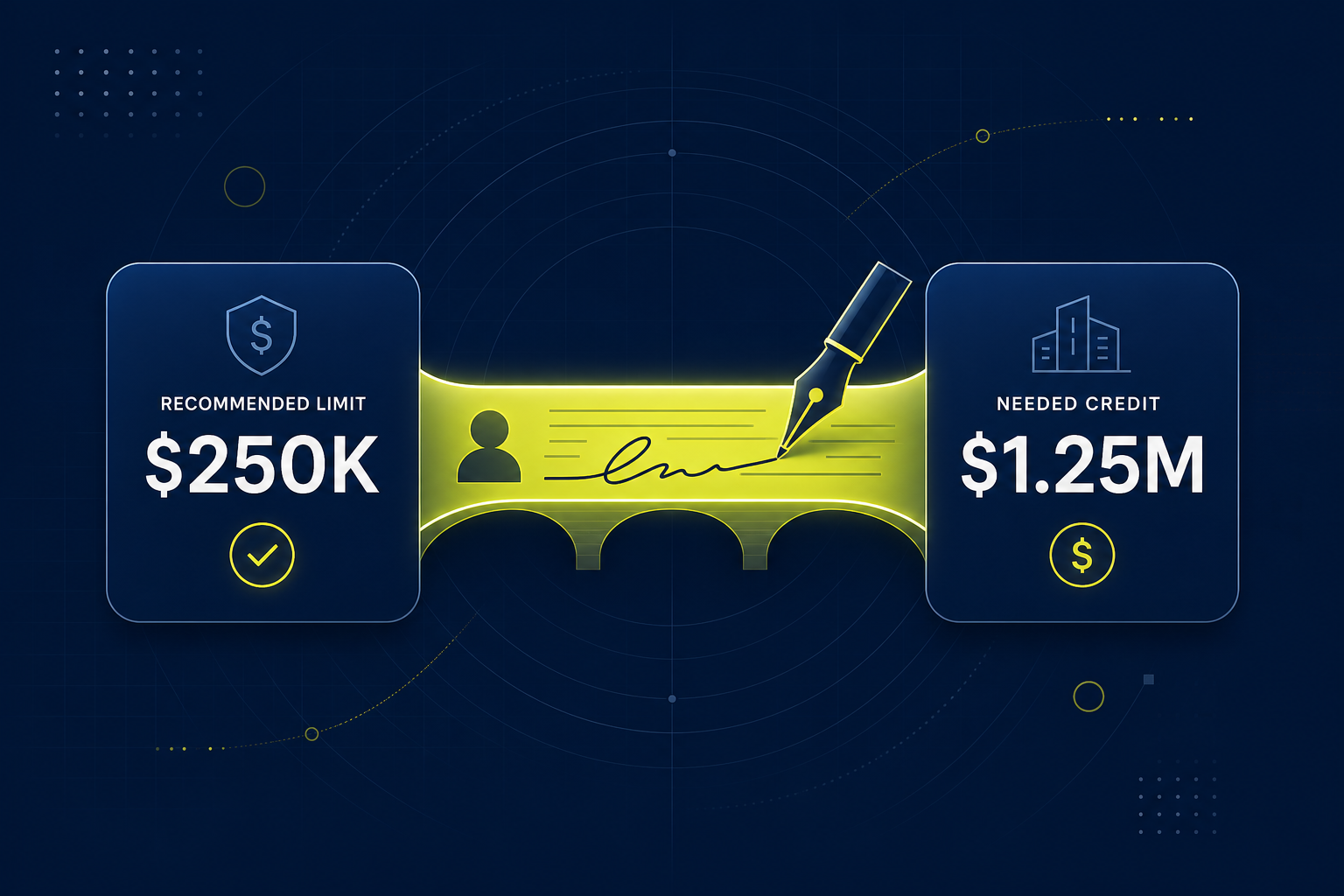 Guide
GuideShould You Be Requiring a Personal Guarantee?
When a personal guarantee actually closes real risk, and when requiring one by default just costs you customers.
Read the guide Checklist
The Credit Application Audit Checklist
What a defensible, consistent credit approval process should include, use it to see how your current process holds up.
Get the checklist Guide
GuideHow to Determine a Credit Limit
A defensible credit limit starts with tangible net worth times a risk-adjusted percentage, not what the last similar account got or what sales asked for.
Read the guide Guide
GuideWhen to Escalate: A Collections Cadence Playbook
How to structure escalating outreach by days delinquent, and where automation should take over from a phone call.
Read the guide Guide
Guide5 Early Warning Signs an Account Is About to Go Delinquent
The subtle payment and behavior shifts that show up weeks before an account misses a payment, and how to act on them before they hit your aging report.
Read the guide